 Image 1 of 4
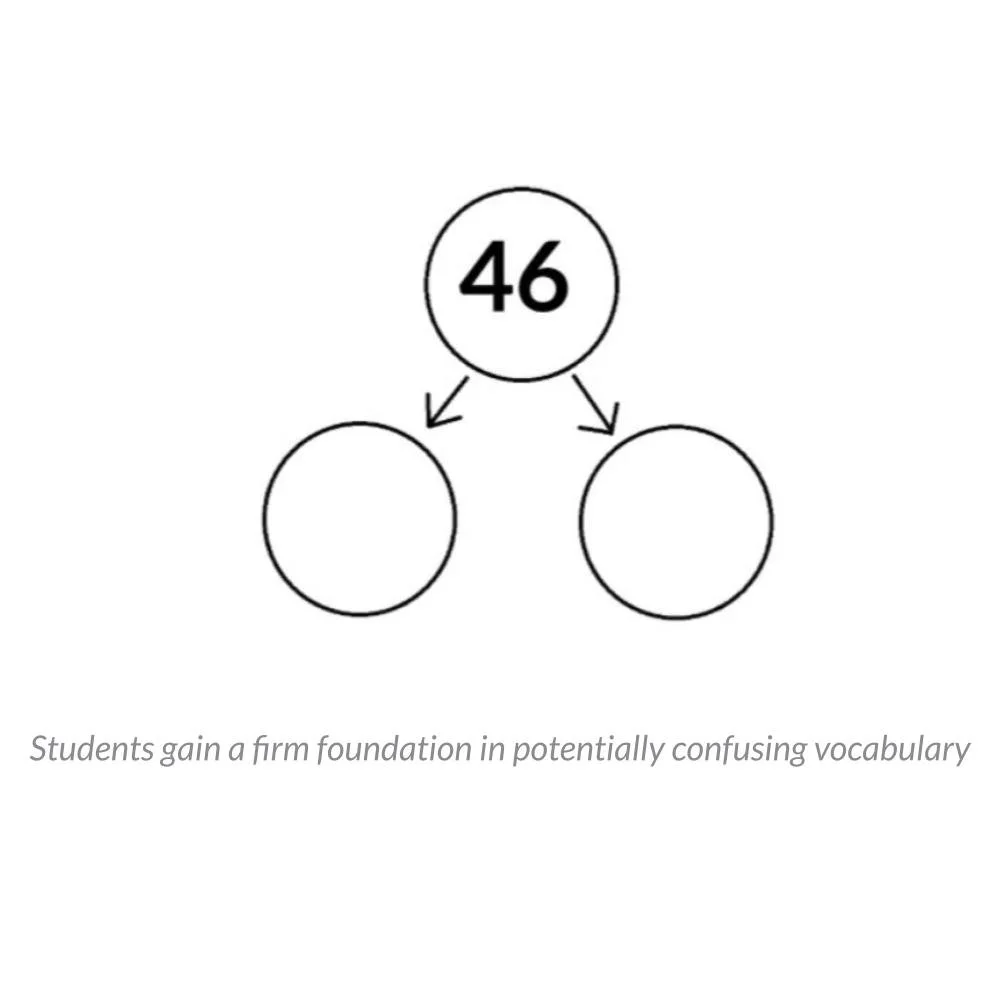 Image 2 of 4
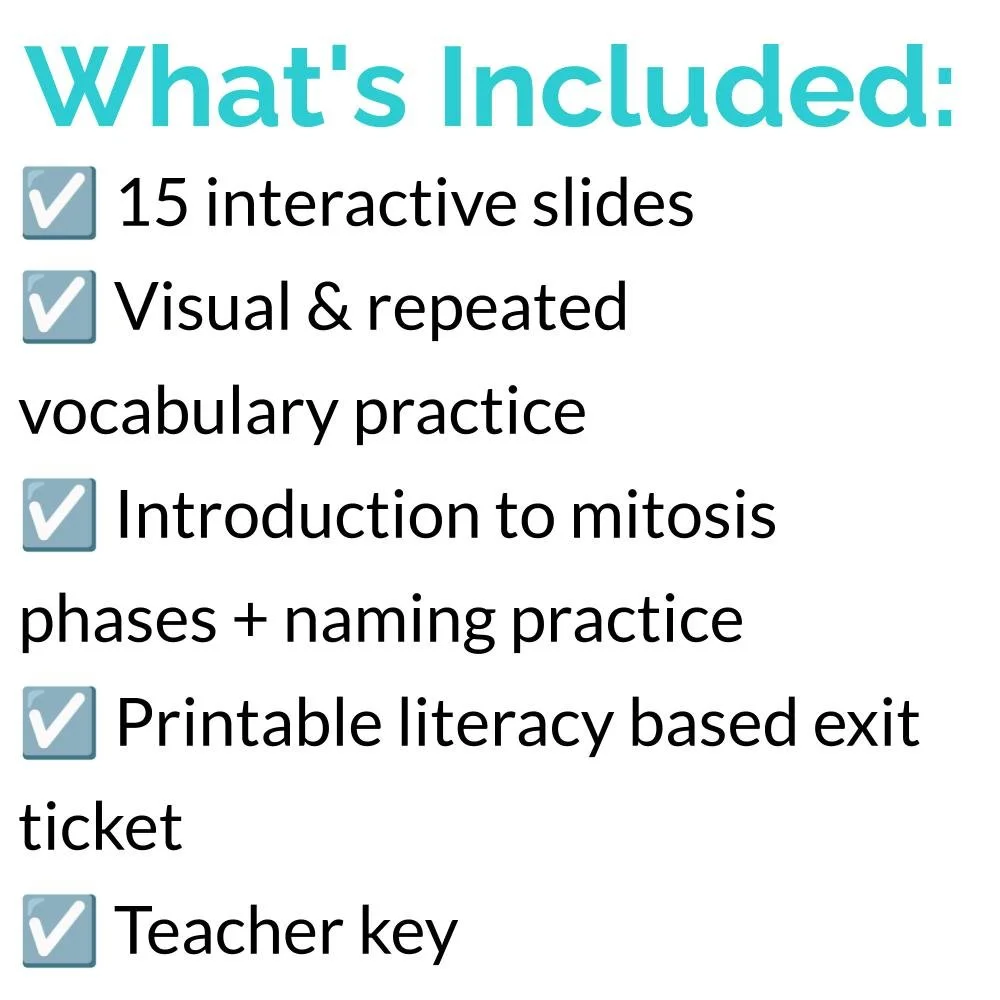 Image 3 of 4
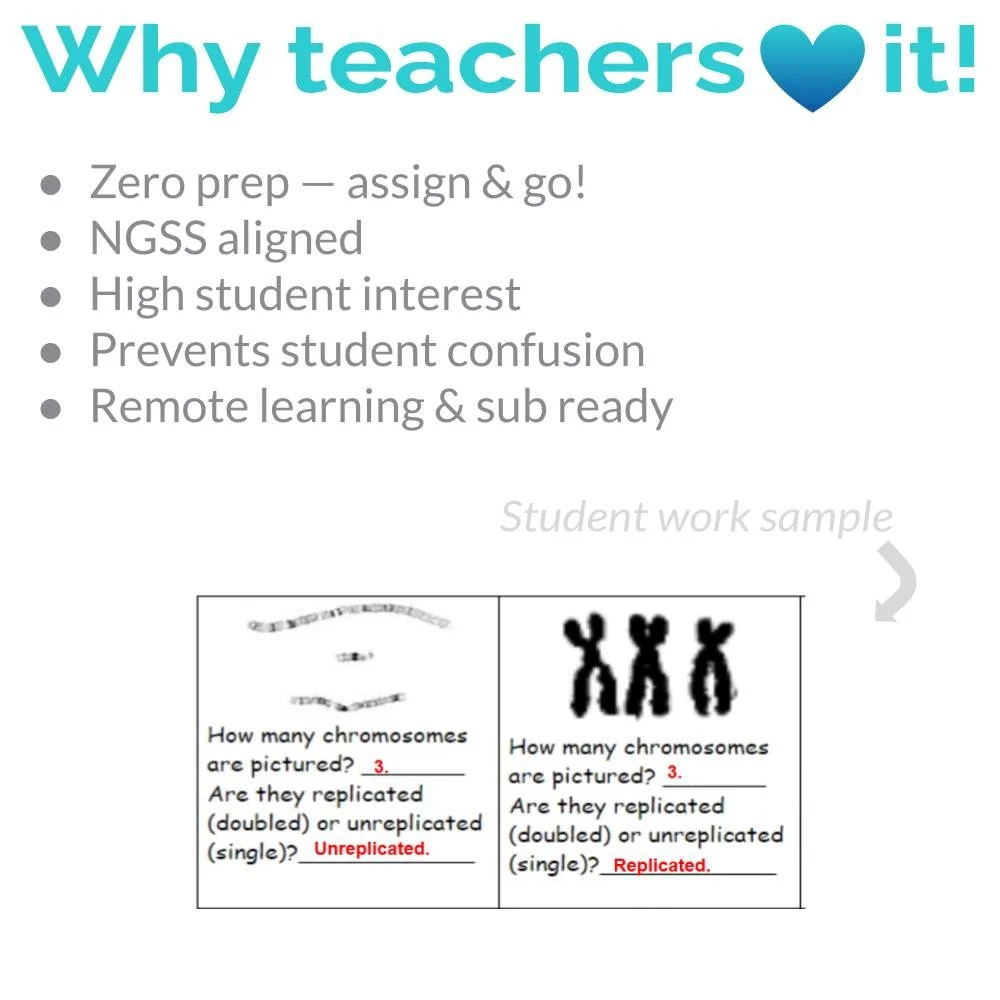 Image 4 of 4
Interactive Mitosis Review with Chromosome Modeling, PMAT Practice, & Exit Ticket.
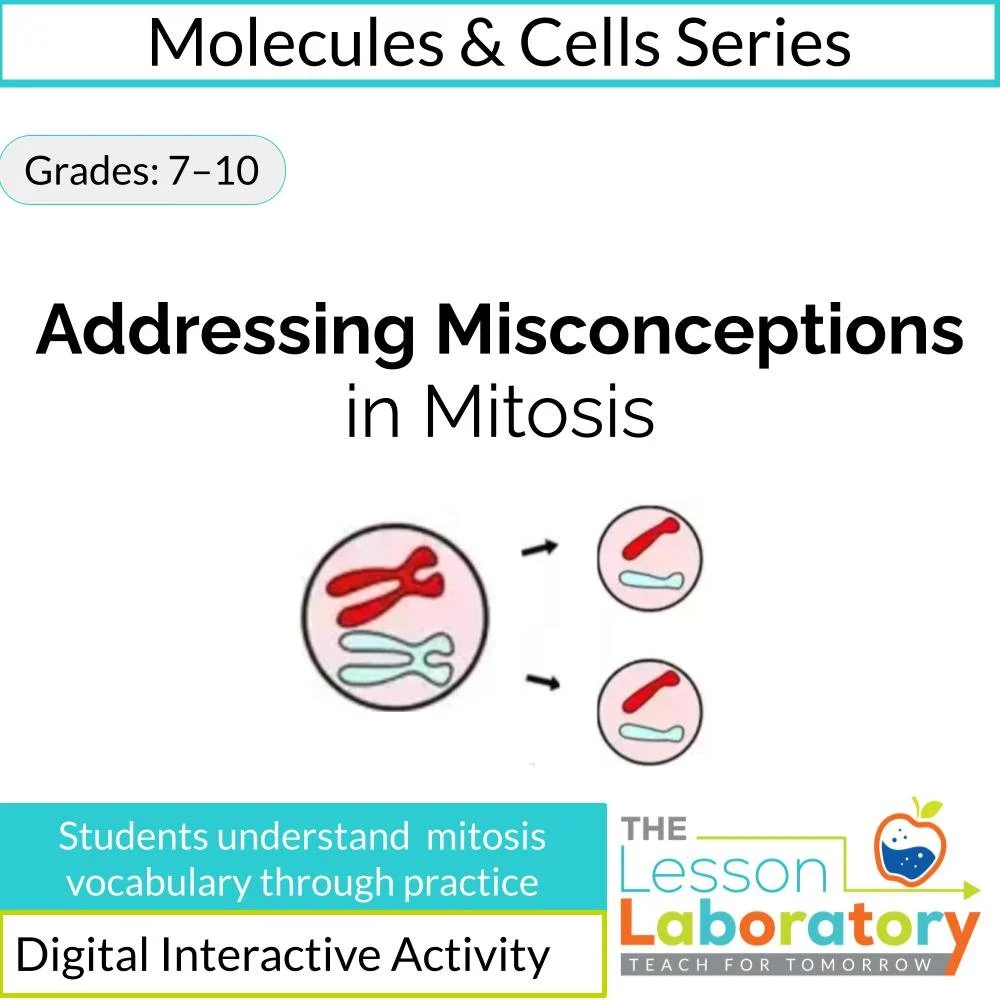
One of the most persistent sources of confusion in cell division is the word chromosome itself. Students are told that chromosomes “replicate,” but they are also taught that chromosomes “separate” — often without ever being shown that both statements can be true depending on structure. This lesson is designed to fix that problem at its source.
This Google Slides lesson explicitly addresses the dual meaning of the term chromosome and guides students through the structural difference between replicated and unreplicated chromosomes using visual models, guided questions, and applied practice. By grounding vocabulary in structure, students develop a clearer and more accurate understanding of how chromosomes behave before, during, and after mitosis.
Students begin by examining where the word chromosome comes from and how its meaning changes depending on context. They then work through scaffolded activities that require them to identify, describe, and reason about chromosome structure — building conceptual understanding rather than relying on memorized definitions.
Once this foundation is established, the lesson transitions into mitosis stage practice, giving students an opportunity to apply their corrected understanding to the familiar stages of division. This ensures that structural clarity carries forward into process-based learning.
✔ Interactive digital lesson (Google Slides compatible)
✔ Visual models of replicated and unreplicated chromosomes
✔ Scaffolded practice clarifying chromosome structure
✔ Targeted vocabulary application
✔ Mitosis stage identification practice
✔ Student-ready answer key
✔ Printable literacy-based exit ticket
✔ Directly addresses one of the most common mitosis misconceptions
✔ Builds structural understanding instead of rote memorization
✔ Makes chromosome language precise and meaningful
✔ Supports visual and struggling learners
✔ Works as introduction, reinforcement, or reteaching
✔ Easy to assign, grade, and reuse
Teachers use this lesson when students are confusing:
• replicated vs. unreplicated chromosomes
• chromosomes vs. chromatids
• why chromosomes are still called chromosomes after replication
• what actually separates during mitosis
This lesson doesn’t just teach mitosis — it repairs the vocabulary foundation students need for mitosis and meiosis to make sense.
To preview this lesson, click here
NGSS Alignment (High School):
HS-LS1-4
Science & Engineering Practices (SEPs):
Developing and Using Models; Constructing Explanations
Crosscutting Concepts (CCCs):
Structure and Function; Systems and System Models
Common Core (Literacy in Science):
RST.9-10.4, RST.11-12.4
RST.9-10.7
WHST.9-12.2
Bundle Upgrade Policy
This lesson is included in one or more bundles. To support flexible purchasing and long-term use of our curriculum, Lesson Laboratory offers a bundle upgrade policy.
If you purchase this lesson and decide at a later date that you would like to upgrade to a bundle, you may request a store credit equal to the total amount paid for duplicate items.
To request an upgrade credit, please email thelessonlaboratory@gmail.com and include:
Your username
The order numbers for both the original purchase(s) and the bundle
The names of the duplicate resources
Requests must be submitted within 30 days of the bundle purchase. Credits are issued as store credit for future Lesson Laboratory purchases and are not provided as cash refunds.
This policy applies only to purchases of resources that are later included in a Lesson Laboratory bundle and is limited to one adjustment per upgrade pathway.
Interactive Mitosis Review with Chromosome Modeling, PMAT Practice, & Exit Ticket.
One of the most persistent sources of confusion in cell division is the word chromosome itself. Students are told that chromosomes “replicate,” but they are also taught that chromosomes “separate” — often without ever being shown that both statements can be true depending on structure. This lesson is designed to fix that problem at its source.
This Google Slides lesson explicitly addresses the dual meaning of the term chromosome and guides students through the structural difference between replicated and unreplicated chromosomes using visual models, guided questions, and applied practice. By grounding vocabulary in structure, students develop a clearer and more accurate understanding of how chromosomes behave before, during, and after mitosis.
Students begin by examining where the word chromosome comes from and how its meaning changes depending on context. They then work through scaffolded activities that require them to identify, describe, and reason about chromosome structure — building conceptual understanding rather than relying on memorized definitions.
Once this foundation is established, the lesson transitions into mitosis stage practice, giving students an opportunity to apply their corrected understanding to the familiar stages of division. This ensures that structural clarity carries forward into process-based learning.
✔ Interactive digital lesson (Google Slides compatible)
✔ Visual models of replicated and unreplicated chromosomes
✔ Scaffolded practice clarifying chromosome structure
✔ Targeted vocabulary application
✔ Mitosis stage identification practice
✔ Student-ready answer key
✔ Printable literacy-based exit ticket
✔ Directly addresses one of the most common mitosis misconceptions
✔ Builds structural understanding instead of rote memorization
✔ Makes chromosome language precise and meaningful
✔ Supports visual and struggling learners
✔ Works as introduction, reinforcement, or reteaching
✔ Easy to assign, grade, and reuse
Teachers use this lesson when students are confusing:
• replicated vs. unreplicated chromosomes
• chromosomes vs. chromatids
• why chromosomes are still called chromosomes after replication
• what actually separates during mitosis
This lesson doesn’t just teach mitosis — it repairs the vocabulary foundation students need for mitosis and meiosis to make sense.
To preview this lesson, click here
NGSS Alignment (High School):
HS-LS1-4
Science & Engineering Practices (SEPs):
Developing and Using Models; Constructing Explanations
Crosscutting Concepts (CCCs):
Structure and Function; Systems and System Models
Common Core (Literacy in Science):
RST.9-10.4, RST.11-12.4
RST.9-10.7
WHST.9-12.2
Bundle Upgrade Policy
This lesson is included in one or more bundles. To support flexible purchasing and long-term use of our curriculum, Lesson Laboratory offers a bundle upgrade policy.
If you purchase this lesson and decide at a later date that you would like to upgrade to a bundle, you may request a store credit equal to the total amount paid for duplicate items.
To request an upgrade credit, please email thelessonlaboratory@gmail.com and include:
Your username
The order numbers for both the original purchase(s) and the bundle
The names of the duplicate resources
Requests must be submitted within 30 days of the bundle purchase. Credits are issued as store credit for future Lesson Laboratory purchases and are not provided as cash refunds.
This policy applies only to purchases of resources that are later included in a Lesson Laboratory bundle and is limited to one adjustment per upgrade pathway.