Circulatory System Lesson – Interactive Digital Slides on Heart, Blood & Blood Vessels

$4.25

Editable Google Slides Lesson with Notes, Drag-and-Drop, Games & Disease/Homeostasis Analysis.

Basics of the Circulatory System – Interactive Digital Science Lesson

Engaging Google Slides Lesson on the Heart, Blood, and Blood Vessels

Help your students finally understand how the circulatory system works with this highly visual, interactive Google Slides lesson! Designed for middle school and early high school life science, this resource makes complex biology concepts accessible through diagrams, drag-and-drop activities, guided note-taking, built-in games, and a short homeostasis case study.

Whether you’re teaching human body systems, homeostasis, or anatomy & physiology, this lesson gives you everything you need for a no-prep, high-engagement day of learning.

💡 What’s Included

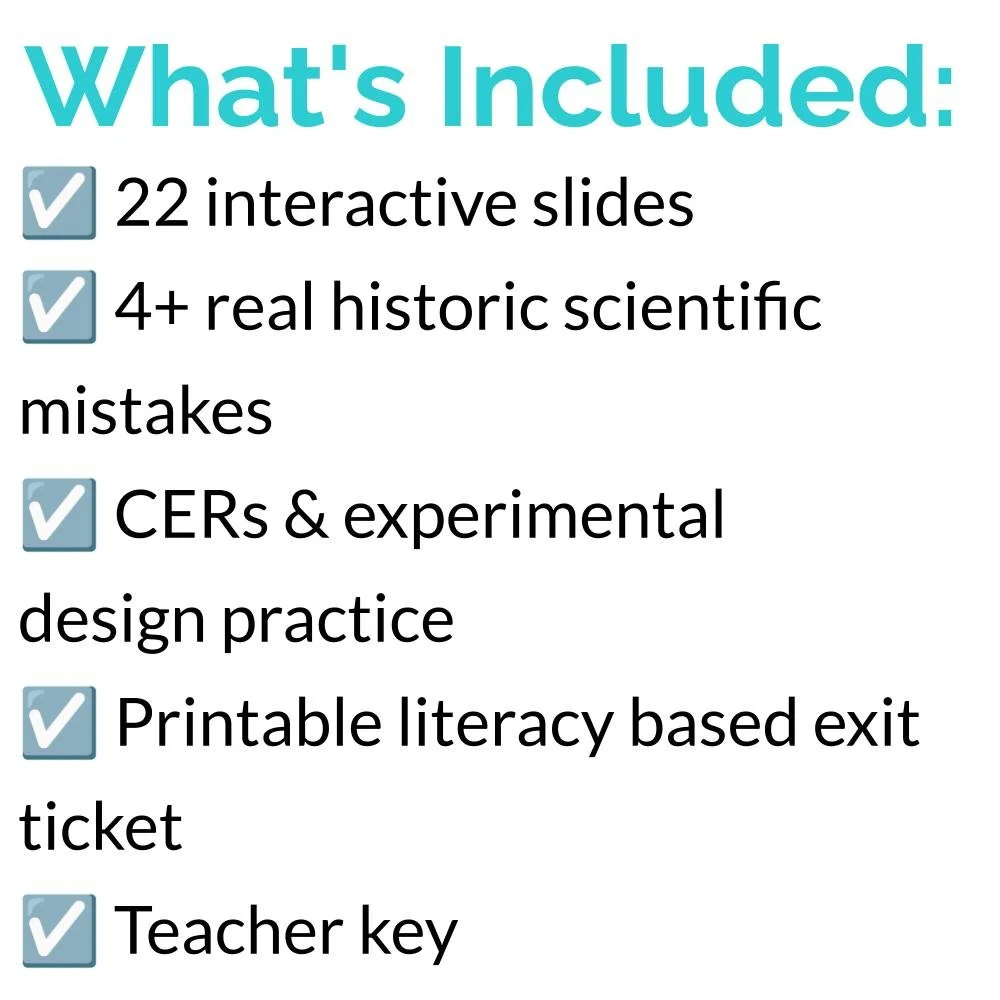
Editable Google Slides lesson (student + teacher versions)
Clear notes on heart structure & function
Blood components + hemoglobin visual model
Arteries vs. veins vs. capillaries diagram
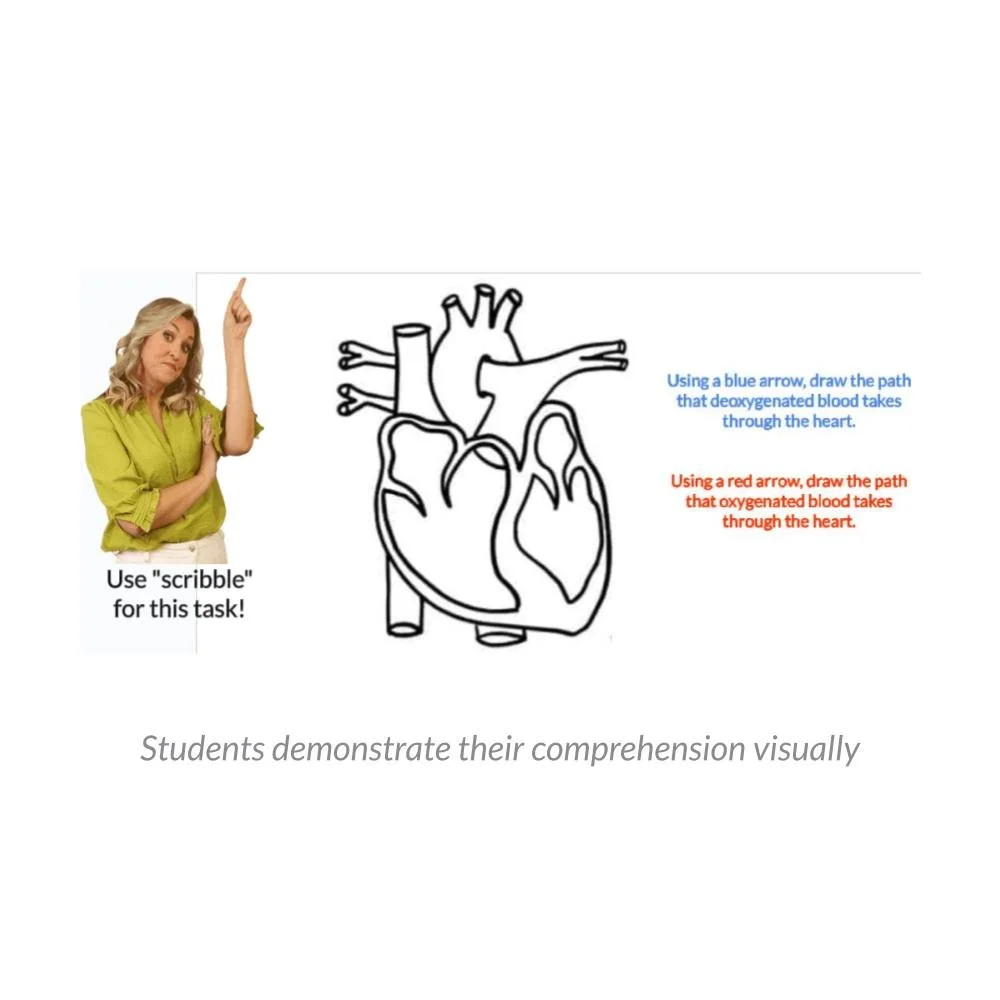
Color-coded drag-and-drop circulation activity
Oxygenated vs. deoxygenated blood pathway sorting
Interactive practice + review games
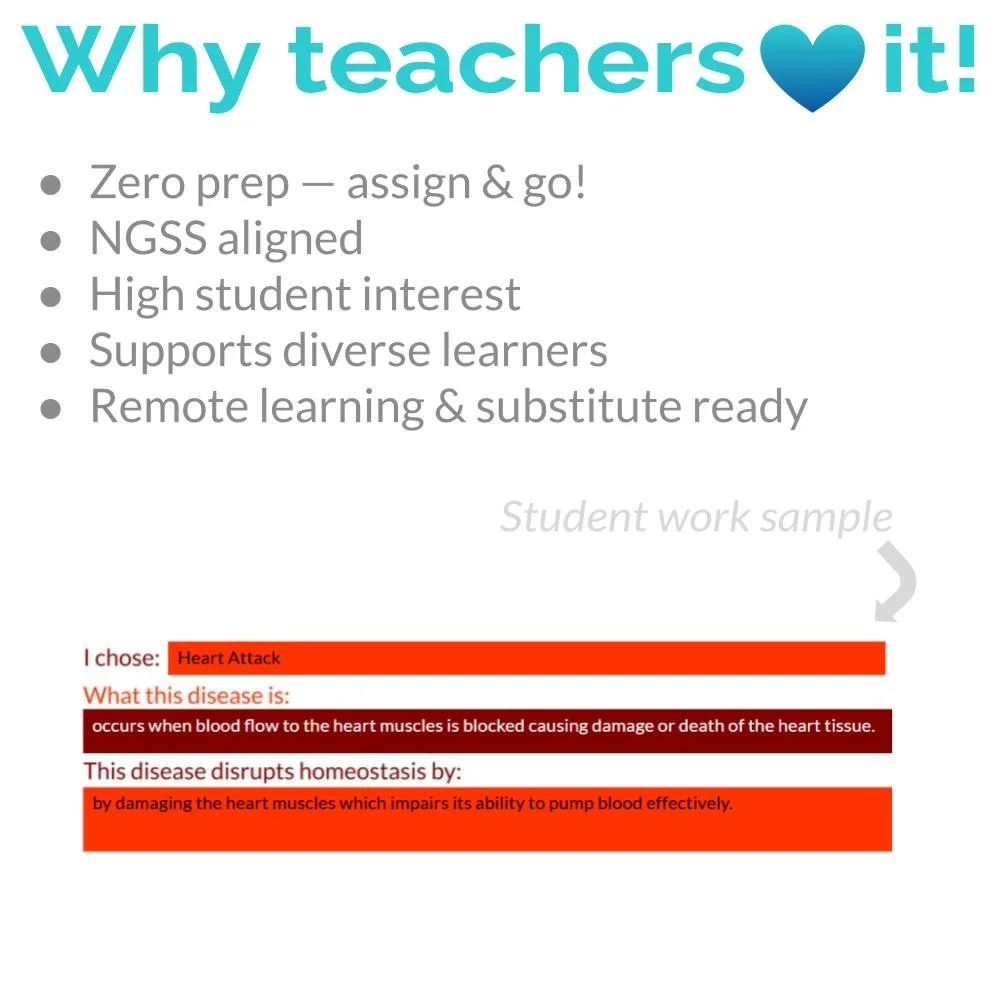
Homeostasis & disease analysis prompt
Exit ticket with key
Teacher answer key included

Everything is structured for gradual release—students build understanding step-by-step, with scaffolding that supports all learners.

🔍 Topics Covered

  • Functions of the circulatory system

  • Structure of the heart (chambers, valves)

  • Pathway of blood through the body

  • Types of blood vessels

  • Blood components & hemoglobin

  • Oxygen transport

  • Homeostasis and circulatory system disorders

  • Cardiovascular system vocabulary

🎯 Perfect For

  • Middle school life science

  • High school intro biology

  • Anatomy & physiology fundamentals

  • Stations or centers

  • Sub plans

  • Digital learning days

  • Special education / inclusion classes

  • Review, reinforcement, or intervention

Built-in visuals, short chunks of content, and interactive practice make it ideal for diverse classrooms.

🌟 Why Teachers Love This Resource

  • Completely no prep

  • Clear teaching flow

  • High student engagement

  • Works for both digital and in-person learning

  • Supports CCSS literacy + NGSS science practices

  • Designed by a science teacher with classroom-tested clarity

Grade & Course Recommendations

Best fit:

  • Grades 6–10

  • Life Science / Biology / Anatomy & Physiology

  • Works well in general ed, inclusion, and intro biology settings.

Justification:

  • The lesson is visually scaffolded and interactive (drag-and-drop, color coding), which is excellent for middle school.

  • The final disease/homeostasis section and hemoglobin explanation (page 7) allow extension into early high school biology but does not require advanced detail.

  • The vocabulary and navigation (e.g., labeling oxygenated vs. deoxygenated regions) are accessible to Grade 6–7.

Cross-Curricular Connections

ELA:

  • Students describe disease impacts on homeostasis (page 16), practicing explanatory writing aligned with CCSS writing standards.

Health / Health Science:

  • Cardiovascular diseases (stroke, hypertension, atherosclerosis) connect directly to public health literacy.

Math:

  • Potential extension: measuring heart rate changes, graphing pulse over time, or computing percent differences before/after activity.

Technology:

  • Students use online review games (pages 15 & 17), supporting digital literacy skills.

Daily slide + literacy - based exit ticket included with purchase

Join the Lesson Laboratory and Teach for Tomorrow!

NGSS Standards (MS + HS)

Middle School (MS-LS1)

MS-LS1-3

  • Use argument supported by evidence for how the body is a system of interacting subsystems.
    Supported by: notes on heart, blood, vessels, and interaction of components throughout slides.

MS-LS1-2

  • Develop and use a model to describe the function of a cell in an organism.
    Connection: hemoglobin and red blood cell structure/function (page 7).

MS-LS1-1

  • Body structures and their function (arteries vs. veins vs. capillaries).

High School (HS-LS1)

HS-LS1-2

  • Develop and use a model to illustrate hierarchical organization of interacting body systems.
    Connection: circulation and gas exchange in lungs.

HS-LS1-3

  • Homeostasis and feedback mechanisms.
    Connection: disease & homeostasis analysis on page 16.

NGSS Crosscutting Concepts (CCC)

  • Systems & System Models – circulatory system components operate together.

  • Structure & Function – clear in vessel structure diagrams (page 9).

  • Stability & Change – disruptions via disease (page 16).

Science & Engineering Practices (SEP)

  • Developing and Using Models – heart pathway diagrams (pages 10–14).

  • Analyzing and Interpreting Data – disease/homeostasis evaluation (page 16).

  • Constructing Explanations – student writing tasks throughout.

Common Core Standards

CCSS ELA (6–10)

Reading Informational Text:

  • CCSS.ELA-LITERACY.RST.6-8.3 / RST.9-10.3
    Following multistep procedures in scientific explanations (blood flow patterns).

Writing:

  • CCSS.ELA-LITERACY.WHST.6-8.2 / WHST.9-10.2
    Writing informative/explanatory text (disease/homeostasis analysis page 16).

Speaking & Listening:

Editable Google Slides Lesson with Notes, Drag-and-Drop, Games & Disease/Homeostasis Analysis.

Basics of the Circulatory System – Interactive Digital Science Lesson

Engaging Google Slides Lesson on the Heart, Blood, and Blood Vessels

Help your students finally understand how the circulatory system works with this highly visual, interactive Google Slides lesson! Designed for middle school and early high school life science, this resource makes complex biology concepts accessible through diagrams, drag-and-drop activities, guided note-taking, built-in games, and a short homeostasis case study.

Whether you’re teaching human body systems, homeostasis, or anatomy & physiology, this lesson gives you everything you need for a no-prep, high-engagement day of learning.

💡 What’s Included

Editable Google Slides lesson (student + teacher versions)
Clear notes on heart structure & function
Blood components + hemoglobin visual model
Arteries vs. veins vs. capillaries diagram
Color-coded drag-and-drop circulation activity
Oxygenated vs. deoxygenated blood pathway sorting
Interactive practice + review games
Homeostasis & disease analysis prompt
Exit ticket with key
Teacher answer key included

Everything is structured for gradual release—students build understanding step-by-step, with scaffolding that supports all learners.

🔍 Topics Covered

  • Functions of the circulatory system

  • Structure of the heart (chambers, valves)

  • Pathway of blood through the body

  • Types of blood vessels

  • Blood components & hemoglobin

  • Oxygen transport

  • Homeostasis and circulatory system disorders

  • Cardiovascular system vocabulary

🎯 Perfect For

  • Middle school life science

  • High school intro biology

  • Anatomy & physiology fundamentals

  • Stations or centers

  • Sub plans

  • Digital learning days

  • Special education / inclusion classes

  • Review, reinforcement, or intervention

Built-in visuals, short chunks of content, and interactive practice make it ideal for diverse classrooms.

🌟 Why Teachers Love This Resource

  • Completely no prep

  • Clear teaching flow

  • High student engagement

  • Works for both digital and in-person learning

  • Supports CCSS literacy + NGSS science practices

  • Designed by a science teacher with classroom-tested clarity

Grade & Course Recommendations

Best fit:

  • Grades 6–10

  • Life Science / Biology / Anatomy & Physiology

  • Works well in general ed, inclusion, and intro biology settings.

Justification:

  • The lesson is visually scaffolded and interactive (drag-and-drop, color coding), which is excellent for middle school.

  • The final disease/homeostasis section and hemoglobin explanation (page 7) allow extension into early high school biology but does not require advanced detail.

  • The vocabulary and navigation (e.g., labeling oxygenated vs. deoxygenated regions) are accessible to Grade 6–7.

Cross-Curricular Connections

ELA:

  • Students describe disease impacts on homeostasis (page 16), practicing explanatory writing aligned with CCSS writing standards.

Health / Health Science:

  • Cardiovascular diseases (stroke, hypertension, atherosclerosis) connect directly to public health literacy.

Math:

  • Potential extension: measuring heart rate changes, graphing pulse over time, or computing percent differences before/after activity.

Technology:

  • Students use online review games (pages 15 & 17), supporting digital literacy skills.

Daily slide + literacy - based exit ticket included with purchase

Join the Lesson Laboratory and Teach for Tomorrow!

NGSS Standards (MS + HS)

Middle School (MS-LS1)

MS-LS1-3

  • Use argument supported by evidence for how the body is a system of interacting subsystems.
    Supported by: notes on heart, blood, vessels, and interaction of components throughout slides.

MS-LS1-2

  • Develop and use a model to describe the function of a cell in an organism.
    Connection: hemoglobin and red blood cell structure/function (page 7).

MS-LS1-1

  • Body structures and their function (arteries vs. veins vs. capillaries).

High School (HS-LS1)

HS-LS1-2

  • Develop and use a model to illustrate hierarchical organization of interacting body systems.
    Connection: circulation and gas exchange in lungs.

HS-LS1-3

  • Homeostasis and feedback mechanisms.
    Connection: disease & homeostasis analysis on page 16.

NGSS Crosscutting Concepts (CCC)

  • Systems & System Models – circulatory system components operate together.

  • Structure & Function – clear in vessel structure diagrams (page 9).

  • Stability & Change – disruptions via disease (page 16).

Science & Engineering Practices (SEP)

  • Developing and Using Models – heart pathway diagrams (pages 10–14).

  • Analyzing and Interpreting Data – disease/homeostasis evaluation (page 16).

  • Constructing Explanations – student writing tasks throughout.

Common Core Standards

CCSS ELA (6–10)

Reading Informational Text:

  • CCSS.ELA-LITERACY.RST.6-8.3 / RST.9-10.3
    Following multistep procedures in scientific explanations (blood flow patterns).

Writing:

  • CCSS.ELA-LITERACY.WHST.6-8.2 / WHST.9-10.2
    Writing informative/explanatory text (disease/homeostasis analysis page 16).

Speaking & Listening: