 Image 1 of 4
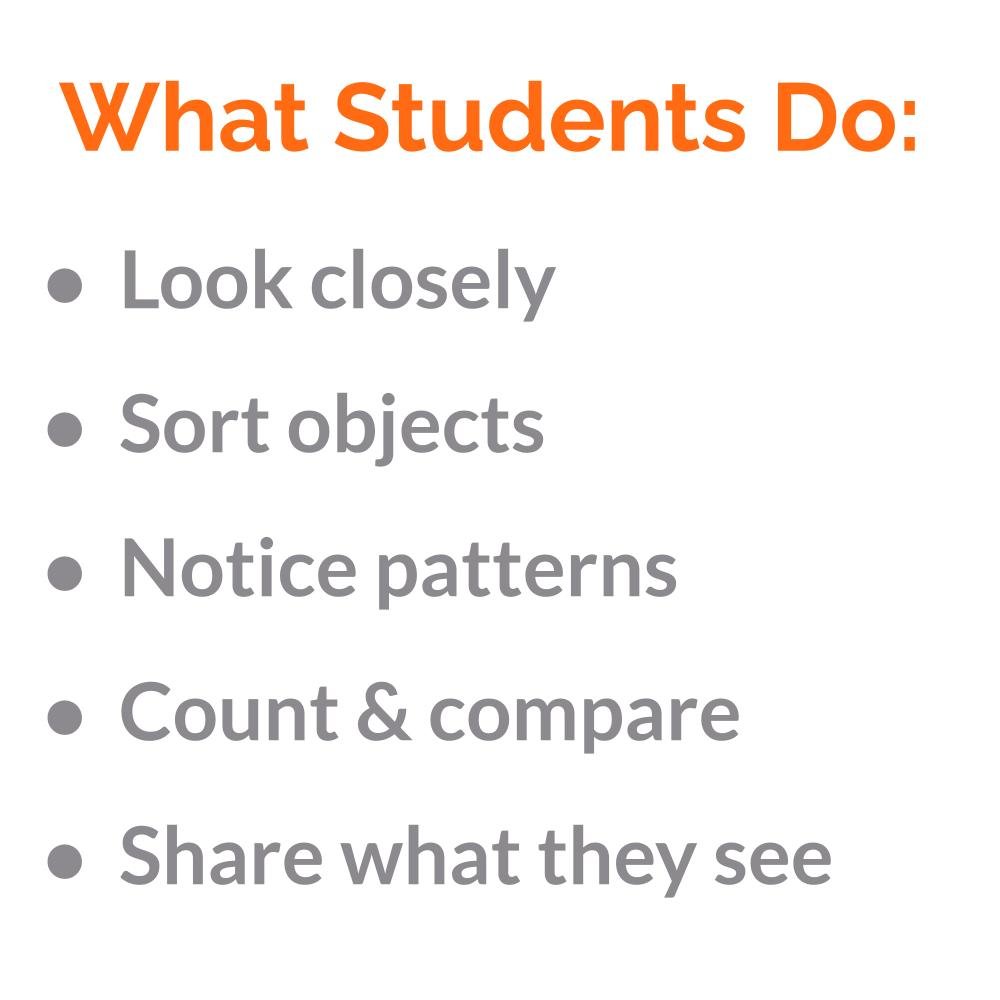 Image 2 of 4
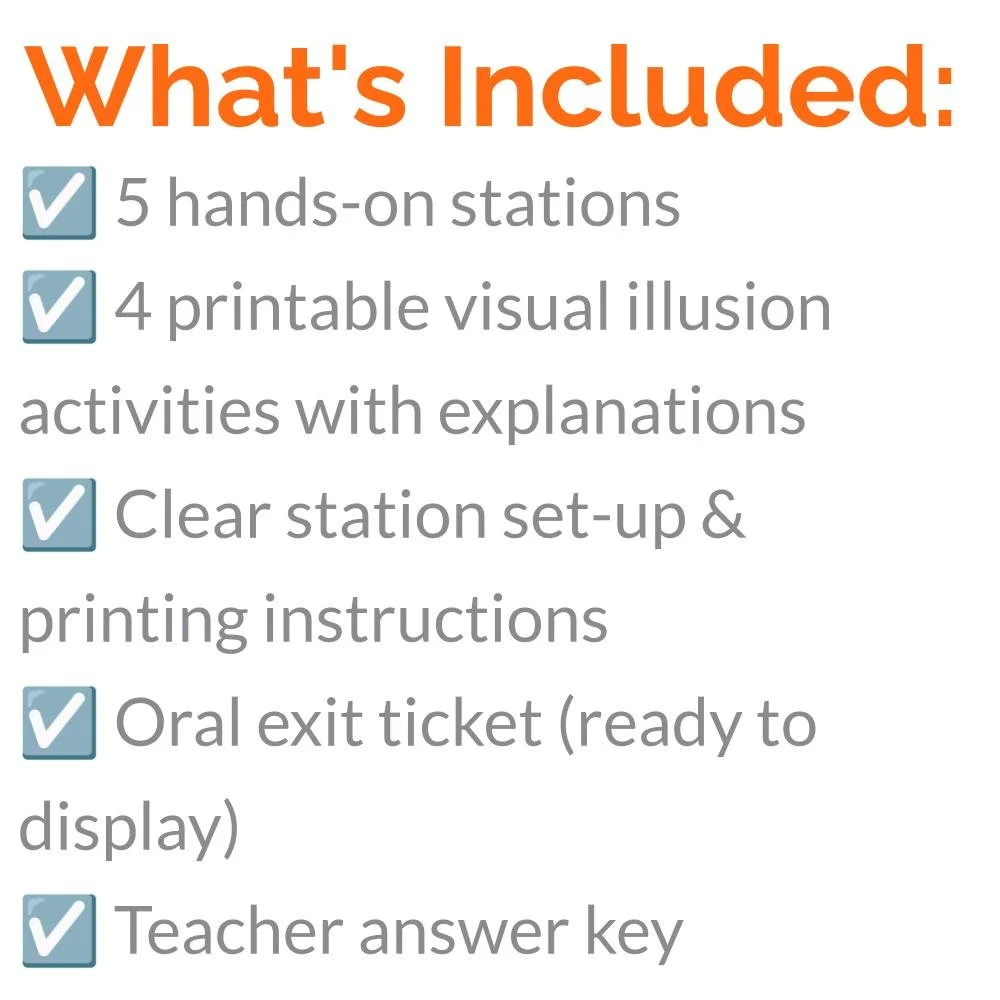 Image 3 of 4
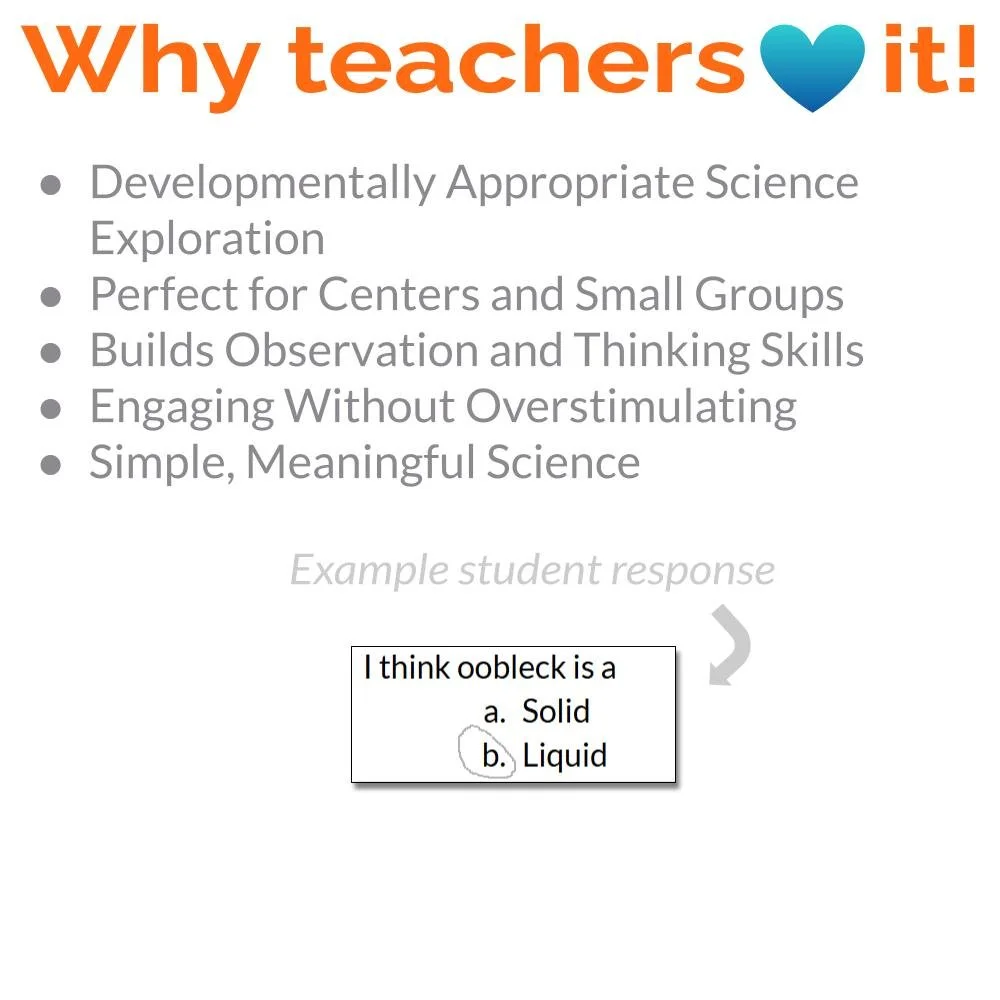 Image 4 of 4
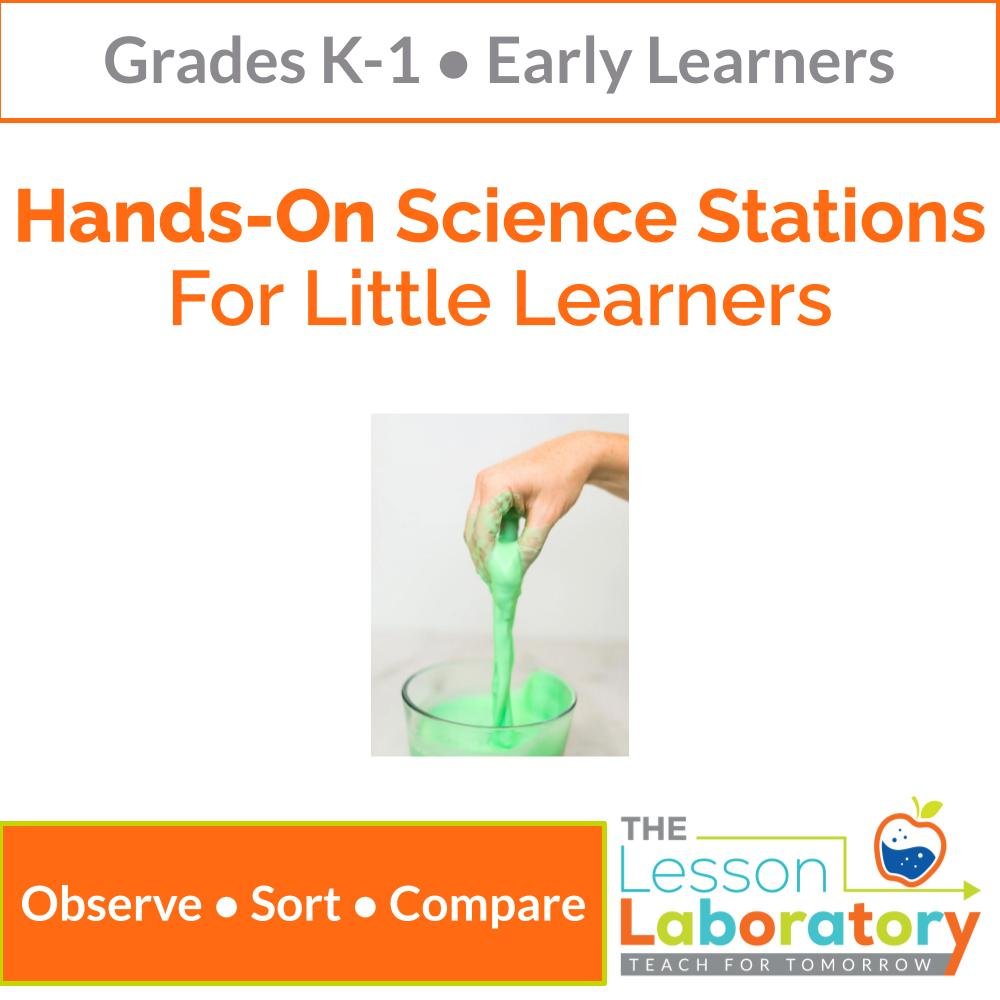
A Multi-Station Kindergarten Science Lesson on Thinking Like a Scientist.
Bring science to life for young learners with this hands-on, station-based STEM lesson designed for Pre-K, Kindergarten, and 1st Grade scientists. Students explore and practice the foundational science skills they’ll use for years to come — observation, sorting, predicting, asking questions, and comparing. These skills are the heart of NGSS-aligned early science learning, and this activity teaches them in a fun, sensory-rich way children remember.
Students begin with a quick video challenge: Count the passes — did you notice something silly?
This selective attention activity builds curiosity and introduces the idea that scientists look closely and notice details. Then, students rotate through five engaging science stations, using their senses, sorting objects, mixing liquids, analyzing surprising illusions, and experimenting with oobleck to decide whether it’s more like a solid or a liquid.
This resource includes everything you need to run a successful early-learning science block: print-and-go student worksheets, visuals with “I can” statements, station instructions, materials list, teacher tips, and a full answer key. Perfect for whole-class lessons, small-group centers, weekly STEM rotations, or an exploration-based science day.
This lesson doesn’t just teach science — it helps children see themselves as scientists.
Truly hands-on: Students touch, sort, mix, observe, and react — not just watch.
Minimal prep: Common classroom materials + print-ready pages.
Designed for young learners: Big icons, simple text, clear “I can” statements.
Supports emerging writers: Drawing, circling, and verbal responses are all valid.
Flexible format: Teach in one day or spread across stations during the week.
Perfect for NGSS and inquiry-based instruction: Builds skills, not memorization.
Teachers tell us this lesson sparks engagement immediately — perfect for launching a year of STEM learning with joy, confidence, and curiosity.
Best-fit levels: Pre-K, Kindergarten, Grade 1
Also appropriate for: SPED, ESL/ELL, early intervention, science centers, small-group pull-outs
Subjects: General Science, Early STEM Skills, Scientific Thinking
To preview this lesson, click here.
NGSS Alignment (Kindergarten):
K-PS1-1
Science & Engineering Practices (SEPs):
Asking Questions and Defining Problems
Planning and Carrying Out Investigations
Analyzing and Interpreting Data
Crosscutting Concepts (CCCs):
Patterns
Cause and Effect
Stability and Change
Common Core:
SL.K.1
W.K.2
K.MD.A
A Multi-Station Kindergarten Science Lesson on Thinking Like a Scientist.
Bring science to life for young learners with this hands-on, station-based STEM lesson designed for Pre-K, Kindergarten, and 1st Grade scientists. Students explore and practice the foundational science skills they’ll use for years to come — observation, sorting, predicting, asking questions, and comparing. These skills are the heart of NGSS-aligned early science learning, and this activity teaches them in a fun, sensory-rich way children remember.
Students begin with a quick video challenge: Count the passes — did you notice something silly?
This selective attention activity builds curiosity and introduces the idea that scientists look closely and notice details. Then, students rotate through five engaging science stations, using their senses, sorting objects, mixing liquids, analyzing surprising illusions, and experimenting with oobleck to decide whether it’s more like a solid or a liquid.
This resource includes everything you need to run a successful early-learning science block: print-and-go student worksheets, visuals with “I can” statements, station instructions, materials list, teacher tips, and a full answer key. Perfect for whole-class lessons, small-group centers, weekly STEM rotations, or an exploration-based science day.
This lesson doesn’t just teach science — it helps children see themselves as scientists.
Truly hands-on: Students touch, sort, mix, observe, and react — not just watch.
Minimal prep: Common classroom materials + print-ready pages.
Designed for young learners: Big icons, simple text, clear “I can” statements.
Supports emerging writers: Drawing, circling, and verbal responses are all valid.
Flexible format: Teach in one day or spread across stations during the week.
Perfect for NGSS and inquiry-based instruction: Builds skills, not memorization.
Teachers tell us this lesson sparks engagement immediately — perfect for launching a year of STEM learning with joy, confidence, and curiosity.
Best-fit levels: Pre-K, Kindergarten, Grade 1
Also appropriate for: SPED, ESL/ELL, early intervention, science centers, small-group pull-outs
Subjects: General Science, Early STEM Skills, Scientific Thinking
To preview this lesson, click here.
NGSS Alignment (Kindergarten):
K-PS1-1
Science & Engineering Practices (SEPs):
Asking Questions and Defining Problems
Planning and Carrying Out Investigations
Analyzing and Interpreting Data
Crosscutting Concepts (CCCs):
Patterns
Cause and Effect
Stability and Change
Common Core:
SL.K.1
W.K.2
K.MD.A