 Image 1 of 4
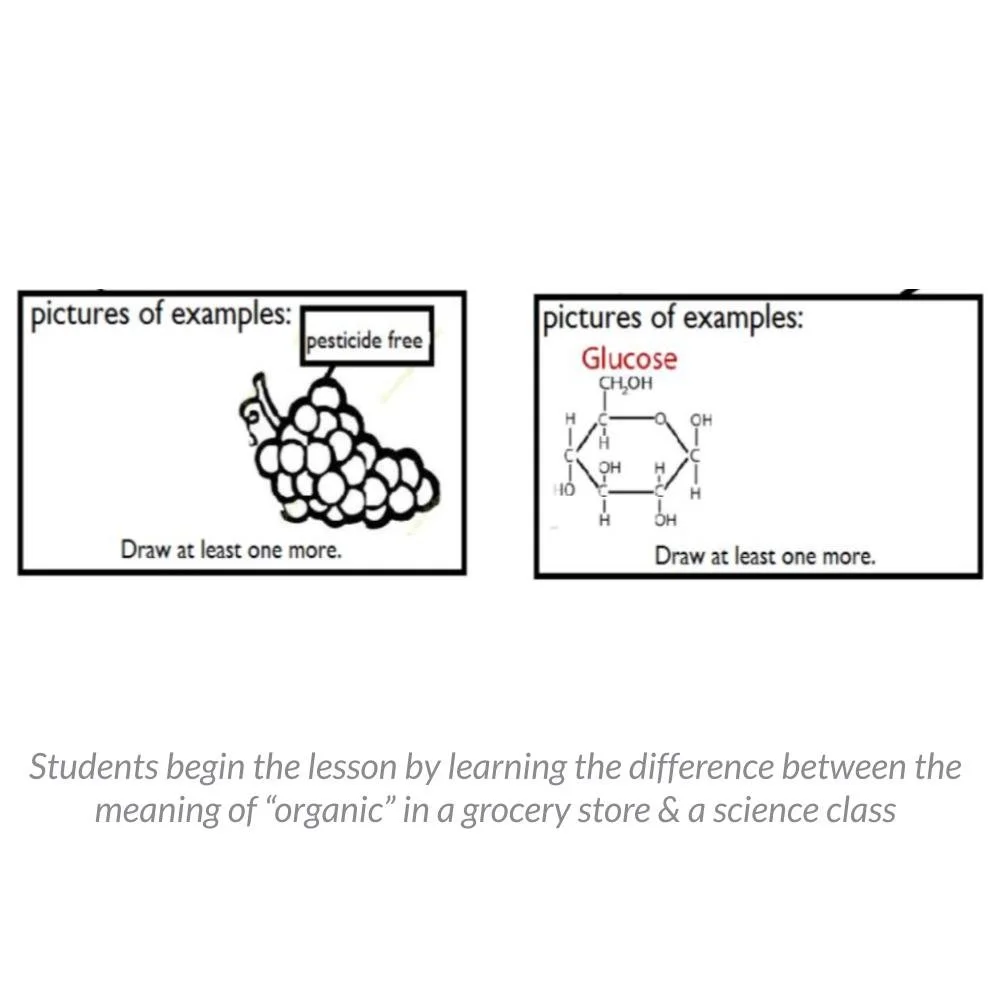 Image 2 of 4
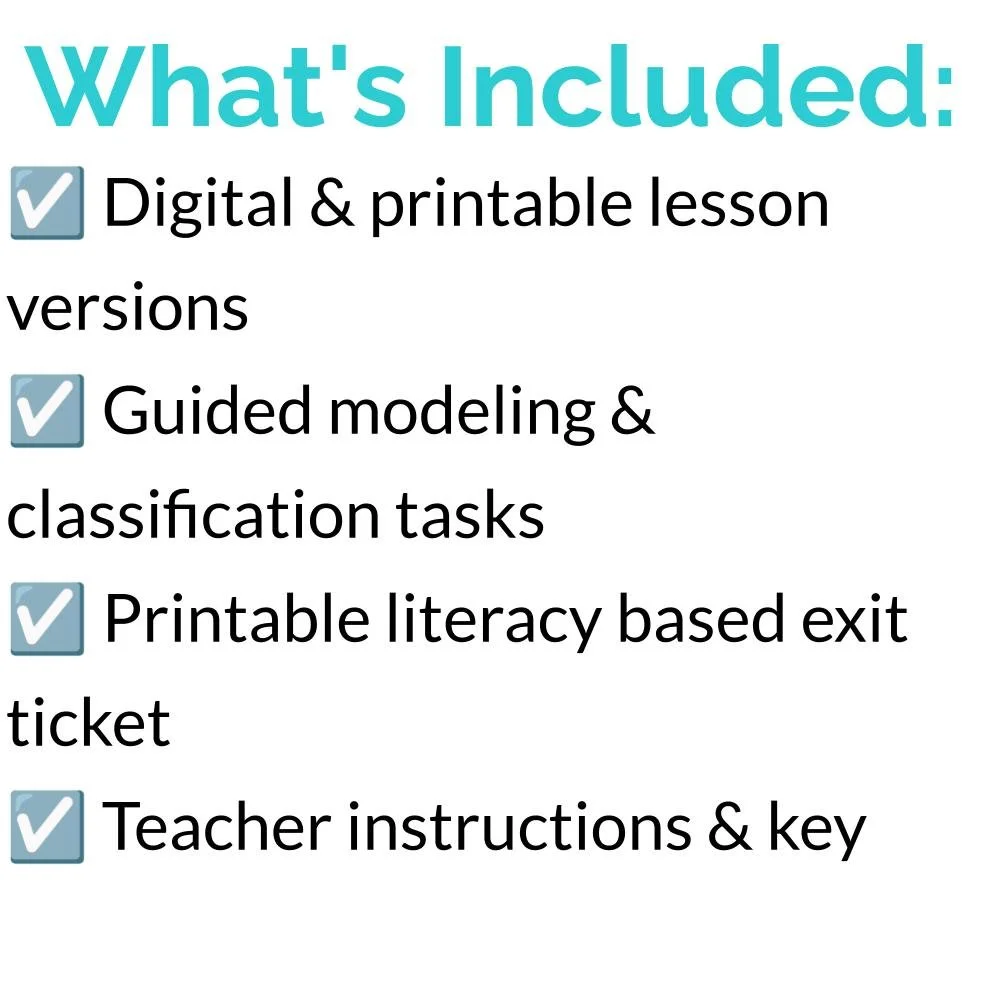 Image 3 of 4
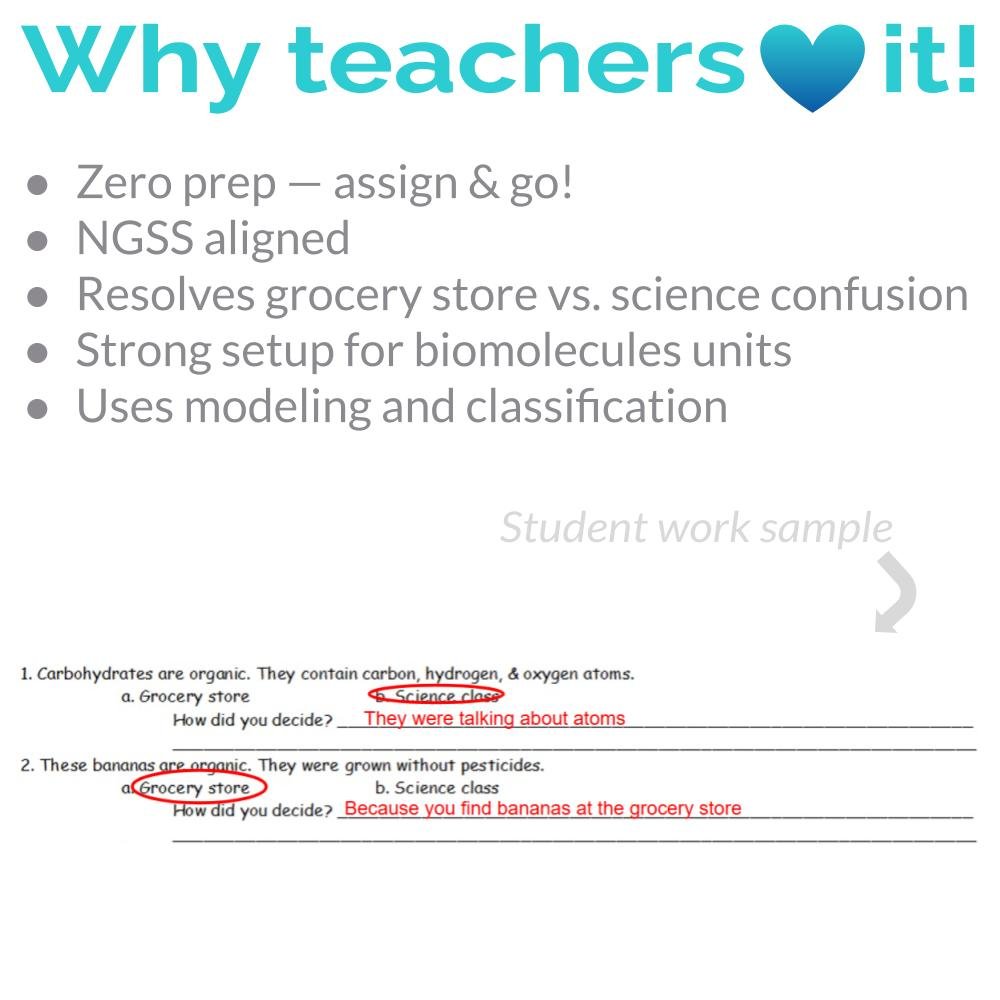 Image 4 of 4
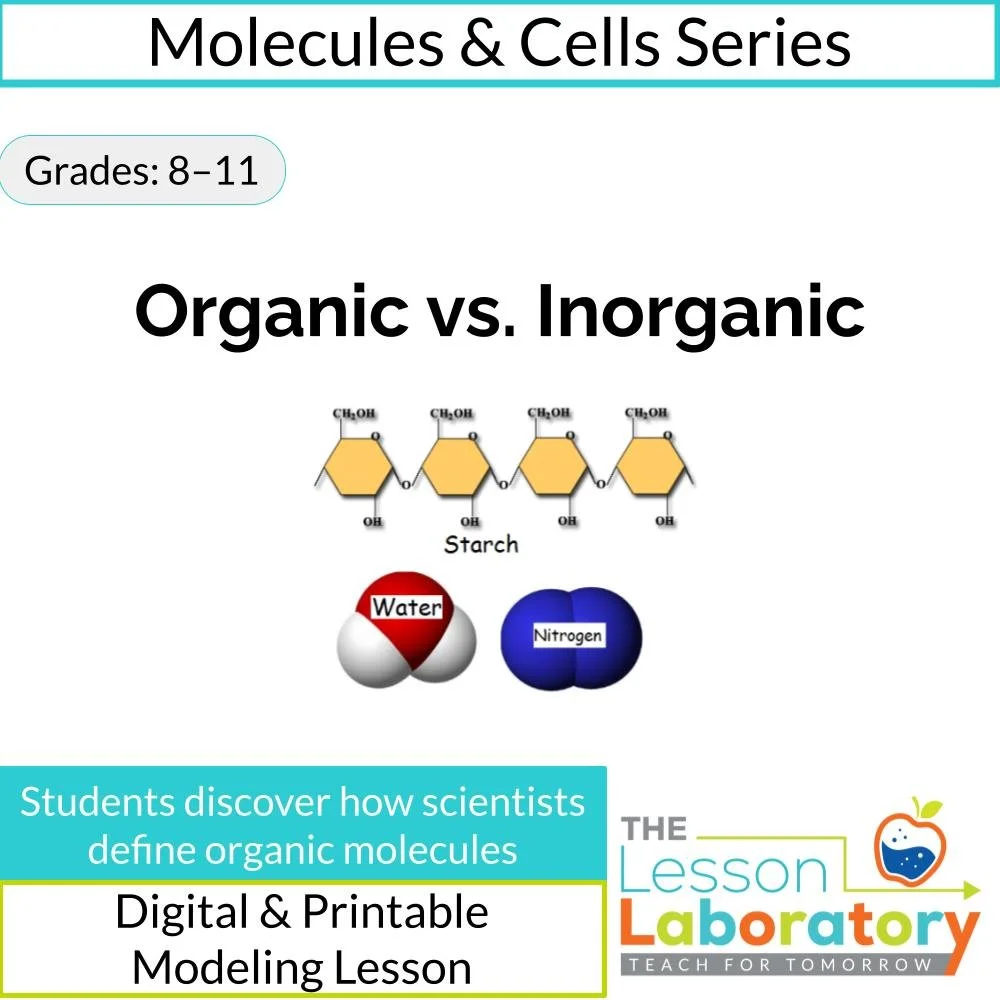
Students model how scientists define organic molecules.
In this lesson, students examine the difference between the everyday (grocery store) use of the word organic and the scientific definition used in biology and chemistry. Rather than memorizing a definition, students build the concept of organic vs. inorganic through guided classification and comparison.
The lesson begins with a short activity that contrasts the colloquial and scientific meanings of organic. Students practice identifying which definition is being used in context and record their observations in a graphic organizer. At this point, the scientific definition is intentionally withheld so students can construct it themselves.
Next, students work in small groups to classify real-world objects as organic or inorganic. They receive feedback only on how many items are incorrectly placed, encouraging discussion, hypothesis testing, and revision. When students struggle, the teacher redirects them to sort by more meaningful criteria (such as food vs. non-food) to help them notice underlying patterns related to living things.
Once students have established a working model for organic and inorganic objects, they repeat the process with molecular diagrams. They use known reference points (such as DNA and water) to refine their classifications and infer the molecular features that distinguish organic molecules from inorganic ones.
By the end of the lesson, students are able to explain how scientists define organic molecules based on structure and composition, not on grocery store labeling. This lesson serves as a conceptual foundation for biomolecules units and prepares students to correctly classify carbohydrates, lipids, proteins, and nucleic acids.
This resource includes:
A digital interactive student lesson
Detailed teacher instructions
Object and molecule sorting tasks
A printable paper version
A printable literacy-based exit ticket
Teacher key
To preview this lesson, click here.
NGSS Alignment (High School):
HS-LS1-6
NGSS Alignment (Middle School):
none- supports SEPs and CCCs
Science & Engineering Practices (SEPs):
Analyzing and Interpreting Data
Constructing Explanations
Crosscutting Concepts (CCCs):
Structure and Function
Patterns
Common Core (Literacy in Science):
CCSS.ELA-LITERACY.RST.9-10.4 / RST.11-12.4; CCSS.ELA-LITERACY.RST.9-10.7 / RST.11-12.7
Bundle Upgrade Policy
This lesson is included in one or more bundles. To support flexible purchasing and long-term use of our curriculum, Lesson Laboratory offers a bundle upgrade policy.
If you purchase this lesson and decide at a later date that you would like to upgrade to a bundle, you may request a store credit equal to the total amount paid for duplicate items.
To request an upgrade credit, please email thelessonlaboratory@gmail.com and include:
Your username
The order numbers for both the original purchase(s) and the bundle
The names of the duplicate resources
Requests must be submitted within 30 days of the bundle purchase. Credits are issued as store credit for future Lesson Laboratory purchases and are not provided as cash refunds.
This policy applies only to purchases of resources that are later included in a Lesson Laboratory bundle and is limited to one adjustment per upgrade pathway.
Students model how scientists define organic molecules.
In this lesson, students examine the difference between the everyday (grocery store) use of the word organic and the scientific definition used in biology and chemistry. Rather than memorizing a definition, students build the concept of organic vs. inorganic through guided classification and comparison.
The lesson begins with a short activity that contrasts the colloquial and scientific meanings of organic. Students practice identifying which definition is being used in context and record their observations in a graphic organizer. At this point, the scientific definition is intentionally withheld so students can construct it themselves.
Next, students work in small groups to classify real-world objects as organic or inorganic. They receive feedback only on how many items are incorrectly placed, encouraging discussion, hypothesis testing, and revision. When students struggle, the teacher redirects them to sort by more meaningful criteria (such as food vs. non-food) to help them notice underlying patterns related to living things.
Once students have established a working model for organic and inorganic objects, they repeat the process with molecular diagrams. They use known reference points (such as DNA and water) to refine their classifications and infer the molecular features that distinguish organic molecules from inorganic ones.
By the end of the lesson, students are able to explain how scientists define organic molecules based on structure and composition, not on grocery store labeling. This lesson serves as a conceptual foundation for biomolecules units and prepares students to correctly classify carbohydrates, lipids, proteins, and nucleic acids.
This resource includes:
A digital interactive student lesson
Detailed teacher instructions
Object and molecule sorting tasks
A printable paper version
A printable literacy-based exit ticket
Teacher key
To preview this lesson, click here.
NGSS Alignment (High School):
HS-LS1-6
NGSS Alignment (Middle School):
none- supports SEPs and CCCs
Science & Engineering Practices (SEPs):
Analyzing and Interpreting Data
Constructing Explanations
Crosscutting Concepts (CCCs):
Structure and Function
Patterns
Common Core (Literacy in Science):
CCSS.ELA-LITERACY.RST.9-10.4 / RST.11-12.4; CCSS.ELA-LITERACY.RST.9-10.7 / RST.11-12.7
Bundle Upgrade Policy
This lesson is included in one or more bundles. To support flexible purchasing and long-term use of our curriculum, Lesson Laboratory offers a bundle upgrade policy.
If you purchase this lesson and decide at a later date that you would like to upgrade to a bundle, you may request a store credit equal to the total amount paid for duplicate items.
To request an upgrade credit, please email thelessonlaboratory@gmail.com and include:
Your username
The order numbers for both the original purchase(s) and the bundle
The names of the duplicate resources
Requests must be submitted within 30 days of the bundle purchase. Credits are issued as store credit for future Lesson Laboratory purchases and are not provided as cash refunds.
This policy applies only to purchases of resources that are later included in a Lesson Laboratory bundle and is limited to one adjustment per upgrade pathway.